Creating the Ideal Custom Produce Boxes: A Step-by-Step Approach
Designing custom produce boxes calls for a calculated strategy. Professionals must consider environmental responsibility, practicality, and visual appeal. Picking the suitable components is vital for preserving quality and supporting eco-friendly practices. Additionally, size and configuration can greatly influence usability and shipping efficiency. Compelling graphics enhance brand recognition, while detailed testing ensures durability. Grasping these components will reveal key understanding into creating standout container strategies that resonate with consumers. What follows is fundamental to achieving those targets.
Selecting the Appropriate Supplies for Custom Produce Boxes
When selecting materials for custom produce boxes, it is critical to review both operational performance and sustainability. The decision of material considerably influences the box's durability, weight, and ability to protect the contents. Common materials include corrugated cardboard, which supplies strength and is recyclable, making it a preferred choice for sustainability-focused businesses. Biodegradable options, such as molded pulp or plant-based plastics, also support eco-friendly practices while offering adequate protection for delicate produce.
Furthermore, moisture resistance is essential for preserving quality, prompting some producers to investigate processed substrates or advanced protective layers. The aesthetic appeal of the box is important to consider, as packaging design and brand identity can affect customer outlook. Ultimately, the right material should find equilibrium between safeguarding the product, attracting consumers, and meeting sustainability requirements, ensuring both functionality and sustainability are prioritized in the design process.
How to Choose Size and Shape for Operational Use?
When determining the size and shape of custom produce boxes, thorough evaluation of produce measurements is crucial for effective storage. Additionally, considerations for handling and transport can affect the box design, guaranteeing ease of movement. Optimizing storage space utilization further improves functionality, allowing for efficient display and storage.
Examine Produce Dimensions Thoroughly
Determining the correct size and shape for vegetable containers is important for functionality and efficiency. Careful measurement of produce dimensions is essential, as it makes sure that items fit tightly without unnecessary space that might create comprehensive resource damage during warehousing and delivery. Made-to-order containers need to handle various configurations, from tender fruits to oversized produce, while maintaining robustness. Additionally, the length and depth of the boxes should allow for efficient stacking and inventory control, optimizing space in distribution centers. A quality-built box not only protects the produce but also enhances market presentation for end customers. Ultimately, deliberate consideration of dimensions aids in minimizing waste and improving customer journey in the product distribution.
Think About the Process of Handling and Transport
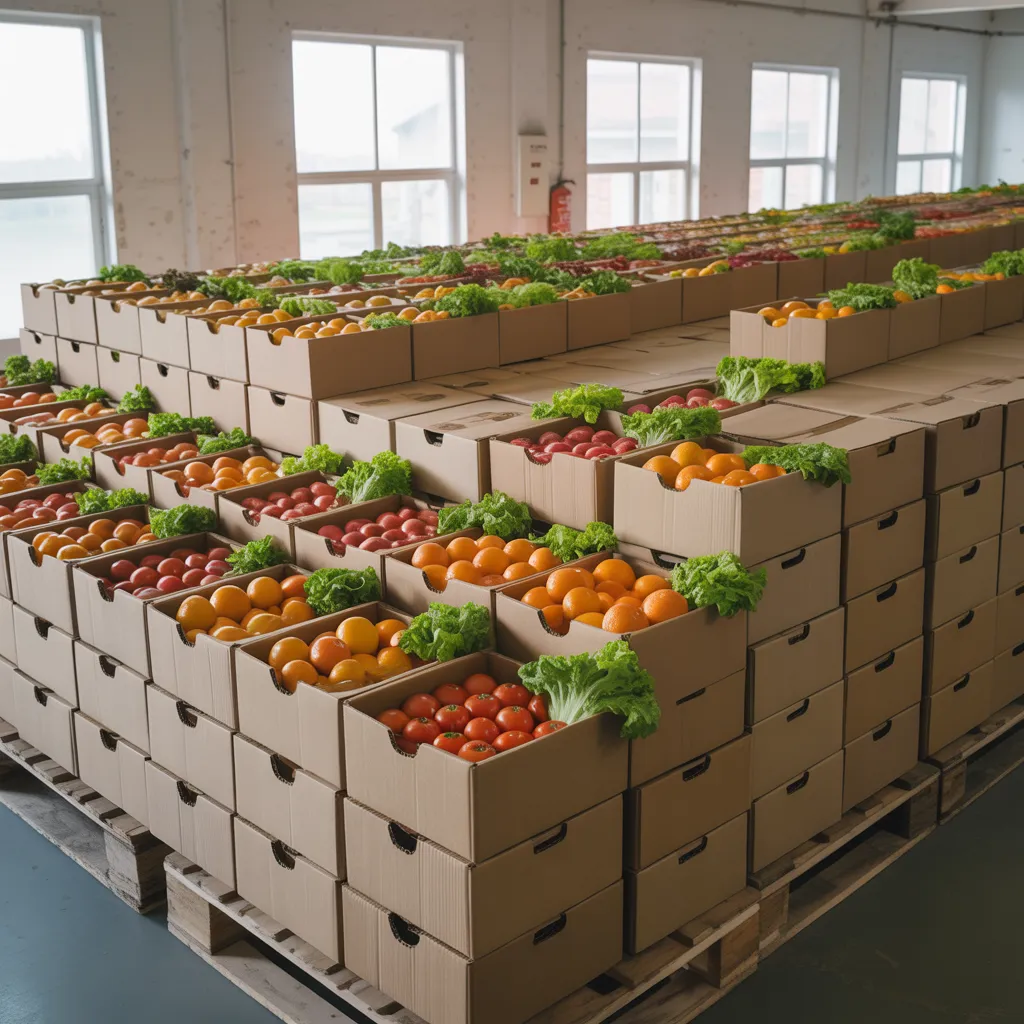
Handling and transport considerations play a considerable function in ascertaining the appropriate size and shape of custom produce boxes. The proportions must fit the produce lacking excessive room, which would lead to movement and damage during transit. Compact boxes facilitate easier handling, while larger boxes may become vital when handling oversized items. Additionally, proper ergonomics is critical; handles and access ports must be deliberately situated to provide pleasant lifting combined with moving. The configuration of the box likewise affects stacking along with stability, confirming where products keep protected. In conclusion, careful consideration of such considerations boosts the efficiency in transport, lessens goods loss, and preserves the overall quality concerning the produce from orchard reaching purchaser.
Maximize Display Space Usage
Effective shelf space usage copyrights upon determining the proper size and shape of custom produce boxes. Developers should factor in the layout specifications of the shelving units as well as the types of vegetation being positioned. Standard-shaped boxes often strengthen space efficiency, allowing for smoother arrangement and stacking. By contrast, nonstandard shapes can amplify aesthetic quality but may result in unutilized gaps if not thoroughly considered.
It's important to examine the inventory turnover rate; briskly-selling products might benefit with compact, easily reachable containers. Also, adopting customizable or modular designs can facilitate different sizes of items while maximizing shelf organization. By highlighting practicality with visual appeal, businesses can build a functional and visually compelling presentation that elevates both accessibility and item visibility.
How to Produce Images That Seize Focus?
Compelling graphics can transform a plain custom produce box into a visual masterpiece that draws attention. To achieve this, visual artists should commence by picking a color palette that reflects the vigor and brightness of the produce. Bright, eye-catching colors can evoke feelings of freshness and wellbeing, compelling consumers to take a closer look.
Bold typefaces is also essential; readable typefaces can effectively communicate essential information while enhancing aesthetic charm. Additionally, leveraging excellent photographs of the merchandise can build instant rapport, showcasing the item's superiority and enticing potential buyers.
Furthermore, incorporating unique patterns or illustrations can help differentiate the brand in a crowded market. Consistency in design elements, such as logos and taglines, reinforces brand identity. Ultimately, a blend of creativity and clarity in visual design can greatly elevate the impact of custom produce boxes, making them shine on shelves.
Environmentally Responsible Practices for Custom Produce Box Packaging
A surging count of businesses are taking up environmentally responsible standards for custom produce box packaging, appreciating its importance in today's environmentally conscious market. These protocols often include the use of degradable materials, such as recycled paper and plant-based plastics, which minimize environmental impact. Companies are also zeroing in on conscientious sourcing, verifying that materials are obtained from responsibly managed forests or suppliers who copyright environmental stewardship.
Furthermore, numerous brands are opting for understated styles that minimize waste while still efficiently highlighting their products. This method not only appeals to eco-aware consumers but also helps in reducing production costs. Moreover, businesses are progressively applying efficient manufacturing processes that minimize energy consumption and waste generation. By incorporating these sustainable practices, companies not only boost their brand image but also contribute positively to the planet, aligning their operations with a sustainable future.
Verify Your Made-to-Order Produce Box Design
Testing the layout of personalized vegetable containers is an crucial step in ensuring they satisfy both aesthetic and functional requirements. This procedure usually includes assessing elements such as strength, size, and usability. First, samples must be developed to evaluate the container's physical stability, ensuring it can endure shipping and storage without compromising the contents.
Subsequently, functional tests can be initiated to determine how conveniently the boxes can be opened, closed, and positioned. Remarks from future users can be invaluable in this step, imparting understanding into the box's practical value.
Furthermore, the aesthetic quality of the design should be evaluated through consumer testing panels or questionnaires, measuring customer responses to brand components, colors, and general appearance.
In the end, comprehensive evaluation permits designers to enhance the box, guaranteeing it not only appeals to customers but also adequately protects and displays the produce within, striking the right balance between form and function.
Advertising Your Custom Produce Boxes Successfully
Effective advertising of personalized produce boxes calls for a strategic approach that highlights their unique features and benefits. Organizations should focus on identifying their target audience, whether they are local farms, grocery stores, or individual consumers. Utilizing social media platforms can amplify brand awareness, showcasing the boxes' design and practicality through compelling visuals and storytelling.
Additionally, teaming up with neighborhood advocates and farming professionals can enhance credibility and expand customer base. Delivering incentives or cost savings during peak demand times can capture early consumers and encourage sustained patronage.
In addition, stressing eco-conscious values and sustainable practices in marketing materials can attract green-minded customers. Sharing comprehensive information about the materials used and the perks of custom packaging can further distinguish the goods in a highly competitive market.
In the end, a detailed marketing strategy that integrates digital and neighborhood-level efforts will efficiently promote custom produce boxes, engaging a mixed clientele and boosting sales.
Frequently Posed Inquiries
What Do the Fees Related to Custom Produce Box Design?
Charges part of custom produce box design include materials, printing, labor, and delivery costs. In addition, design expertise and minimum order quantities can impact total expenses, leading to variable pricing based on individual requirements and production scale.
What Duration Is Needed to Manufacture Custom Boxes?
Creating bespoke boxes normally takes two to six weeks during the production phase. Various factors that affect this timeframe include complexity of the design, sourcing of materials, and manufacturing capability, each of which can alter delivery timelines and turnaround times.
May I Acquire a Small Quantity of Custom Produce Boxes?
Yes, modest quantities of made-to-order produce boxes can usually be secured. Many suppliers deliver threshold order amounts, allowing firms or consumers to obtain tailored packaging options without having to commit to substantial amounts to start.
Which Typical Errors Need Avoiding in Tailored Box Design?
Common errors in custom box creation include overlooking functionality, disregarding brand consistency, undervaluing material quality, failing to take into account target audience preferences, and disregarding environmental impact. Each aspect is essential for effective packaging and customer satisfaction.
How Do I Ensure That My Boxes Are Food-Safe?
To ensure boxes remain safe for food consumption, you should select materials approved for food contact, avoid harmful inks and adhesives, maintain cleanliness during production, and regularly test for compliance with health regulations and safety standards.